Naturally occurring cancers in humans and companion animals provide a valuable framework for comparative medicine. Focusing on human breast cancer and canine mammary cancer, we integrate comparative genomics, epigenomics, transcriptomics, and multi-omics approaches to identify shared mechanisms of tumorigenesis across species, as well as species-specific molecular and immunological features. Through this approach, we aim to advance disease understanding in both animals and humans and support the development of new diagnostic and therapeutic strategies.
2
Tumor-Immune Microenvironment
Tumor progression is shaped by interactions between cancer cells and immune cells within the tumor microenvironment. In human breast cancer and canine mammary cancer, we investigate how these interactions influence cancer progression and therapeutic response. By integrating genomic, epigenomic, transcriptomic, and proteomic data from immune cells and related tumor microenvironment studies, we aim to define mechanisms that regulate effective or impaired anti-tumor immune responses.
3
Organoid-based cancer models
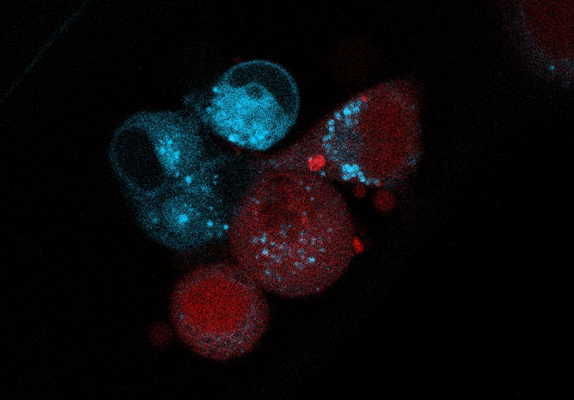
Organoid-based cancer models derived from canine mammary cancer tissues provide an experimental platform for studying tumor biology, therapeutic response, and comparative oncology. By establishing canine mammary cancer organoids and comparing them with human breast cancer, we aim to identify species-shared and species-specific features that can guide the development of optimized therapeutic strategies. In addition, we are developing standardized protocols for generating mammary cancer and diverse tumor organoids, while defining species-specific culture conditions to establish robust organoid models across different animal species.